Strategic Tax Architecture for Business Owners

As your business grows, tax planning must evolve beyond compliance into coordinated strategy.

As your business grows, tax planning must evolve beyond compliance into coordinated strategy.

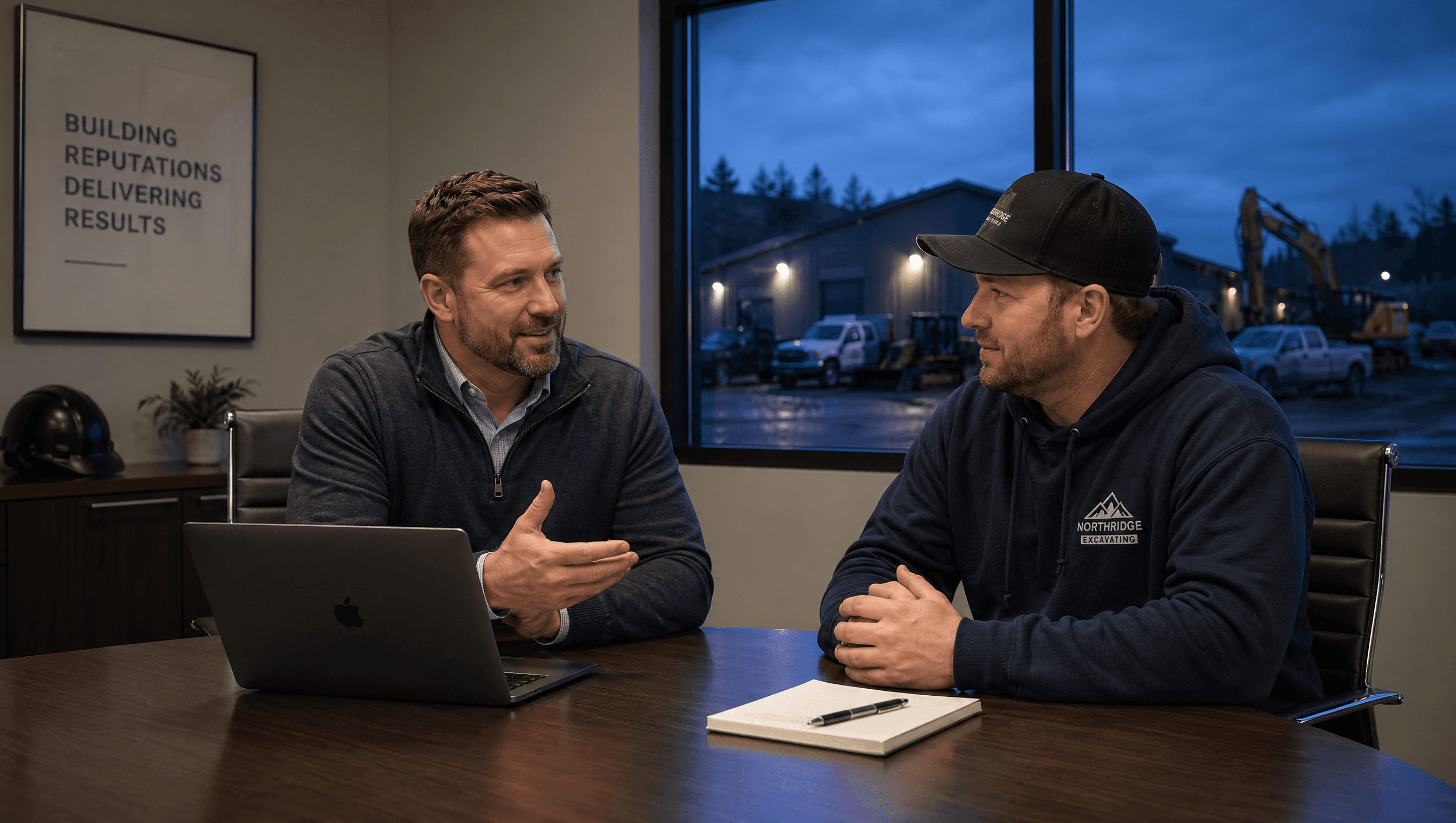
Business owners reviewing plans together after hours, representing proactive tax strategy and coordinated decision-making

Turning Complexity into Clarity and Control

As your organization expands, so does the intricacy of your wealth. Multiple companies, layered income streams, equity incentives, and approaching liquidity events introduce new challenges and risks.

The true risk isn’t missing a filing deadline—it's persisting with outdated structures that quietly limit opportunity and flexibility. Conventional tactics made sense for a different stage, but if your systems haven’t evolved, they may now be holding you back from your next breakthrough.

Your enterprise has evolved far beyond routine compliance. At this pivotal stage, tax management demands deliberate, proactive architecture—not reactive adjustments. Strategic growth is achieved by designing a tax ecosystem that continuously supports expansion and preserves wealth, rather than by relying on short-term fixes.

Business owner in a warehouse setting, representing operational complexity, inventory, and day-to-day leadership decisions
Financial planning materials spread across a desk, representing structured analysis, documentation, and active tax planning
Office view at dusk overlooking the outside landscape, representing perspective, oversight, and long-range business planning
Team members unloading equipment from a vehicle, representing hands-on operations, logistics, and real-world business activity
Business owner looking out over a parking lot from an office, representing strategic oversight, visibility, and future-focused planning

Designing Systems Built for Growth, Flexibility, and Exit

We build coordinated tax structures for business owners that align entity design, compensation strategy, and personal planning. The goal is to create a system that supports growth, improves visibility, and prepares the business for future transitions. The result is a more resilient framework designed not only for today’s complexity, but for what comes next.

Entity Optimization

We structure ownership and entities to improve flexibility, reduce friction, and support long-term tax efficiency.

Integrated Wealth Modeling

We align business, personal, and family planning to create more coordinated decision-making and long-term value.

Exit & Continuity Design

We prepare the business for future transition, helping maximize post-exit value while supporting continuity and succession.

Strategic Outcomes

Strategic Outcomes

When tax architecture is designed correctly, the result is not just compliance. It creates better financial decisions, stronger growth options, and greater long-term control.

When tax architecture is designed correctly, the result is not just compliance. It creates better financial decisions, stronger growth options, and greater long-term control.

Keep More Cash

Strategic entity design and tax planning reduce lifetime tax exposure.

Ethical Reduction

Integrated modeling clarifies expansion, investment, and compensation strategies.

Sell When You're Ready

Exit strategies are designed early so timing becomes a choice.

Protect The Family Balance Sheet

Long-term planning aligns business success with personal wealth preservation.

Explore the Strategic Paths Most Relevant to You

Explore the Strategic Paths Most Relevant to You

These are the strategic paths most often used by business owners looking to reduce tax exposure, improve liquidity, and retain more of what they build. Explore the solutions most relevant to your structure, stage, and goals.

These are the strategic paths most often used by business owners looking to reduce tax exposure, improve liquidity, and retain more of what they build. Explore the solutions most relevant to your structure, stage, and goals.

Who Gains the Most from Strategic Engagement

Business owners and founders with federal tax responsibilities consistently above $100,000 annually tend to gain the most from advanced strategic planning. If you’ve outgrown off-the-shelf solutions and are seeing diminishing returns from traditional deductions, the next step is re-engineering your tax architecture so it is intentionally built for your complexity, trajectory, and long-term goals.

Business owners and founders with federal tax responsibilities consistently above $100,000 annually tend to gain the most from advanced strategic planning. If you’ve outgrown off-the-shelf solutions and are seeing diminishing returns from traditional deductions, the next step is re-engineering your tax architecture so it is intentionally built for your complexity, trajectory, and long-term goals.

You’re Likely a Fit If:

• Your business is generating meaningful profit
• Your federal tax burden is at least $100K annually
• You’ve outgrown basic compliance and year-end tax prep
• You want an intentional strategy for growth, flexibility, and what comes next

Woman business owner seated at her desk during a phone call in a private office at blue hour, with planning materials and a wooded evening view outside the window.

See What Strategic Planning Could Unlock

If your tax complexity is increasing, the next step is a focused strategic review to identify where planning can create the greatest impact.